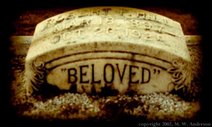
*Why is there so much resentment towad the narrator in the Jolly Dollar?
*How did Clifton choose to make his escape from history?
*How does Ellison use irony on page 438 to show how far Clifton had fallen?
*Explain the significance of the following quote: "They were outside the groove of history, and it was my job to get them in, all of them."
*What happens right before the end of chapter 20 to make the narrator realize the significance of his leadership?
*In the description of the funeral procession, how do the images show the angry pride of the crowd?
*How is personification used to show the power of the music in the procession?
*Why is the narrator envious of the old man?
*How could an old slave song have such power?
*How does the narrator use anaphora (repetition of a word or phrase at the beginning of successive verses, clauses, or paragraphs) to make his eulogy more personal?
*What does the narrator mean when he says that everyone at the funeral is in the box with Ted Clifton?
*Has the narrator changed/grown?
Wednesday, August 1, 2007

Chapters 18-19: Discord Enters the Composition
To pick up our Jazz music metaphor again, the narrator continues to feel some cognitive dissonance in regard to his place in the Brotherhood. To paraphrase a definition of "dissonance," it's as if he's hearing several "unharmonious" chords simultaneously, and must, somehow resolve the tension. He gets the letter and is unsure about whom to trust. Is he being backstabbed by the Brotherhood (a repeat of the Bledsoe situation) or is someone just trying to bring him down? In literature, of course, we call it internal conflict.
*What do you make of this letter?
*Who are "they"? Who will cut the narrator down, according to the letter?
*How is Brother Tarp's chain link different than Bledsoe's?
*What does the narrator mean when he says that Brother Westrum "snatched [him] back to the South"?
*How does the setting of the beginning of the chapter contradict the woman's tone?
*How are sound devices used to express the ambivalence the narrator feels about the woman?
*How is asyndeton (omitting conjunctions where they would normally be used) used to show the building panic in the narrator's mind as he leaves the building? In other words, how does Ellision merge style and content?
*Explain the significance of the following quote: "My nerves were in a state of constant tension, my face took on a stiff, noncommittal expression, beginning to look like Brother Jack's and the other leaders."
Chapters 16-17: Showtime!
*How is repetition used at the bottom of page 335 to express the change the narrator feels in his identity?
*What is the metaphorical value of the policemen that the narrator sees when he ducks out into the street before his speech?
*What is the significance of the narrator's daydream about the bullfrog?
*How does the description of the stage contribute to the narrator's sense of isolation?
*Why do some members of the Brotherhood object to the narrator's speech? Do you agree/disagree?
*How is paradox used to express the contradictory constraints placed on the narrator?
*How might Tod Clifton serve as a more effective spokesman than the narrator, at least according to Emma?
*How is humor used in the intoduction to Ras the Exhorter?
*Why do you think the author chooses to have Ras speak the dialect of a native African learning English?
*What does Tod Clifton mean when he says that "sometimes a man has to plunge outside history?"
*How is alliteration used to reflect the instantaneous paradox that memories of the narrator's grandfather bring to mind?
Chapters 14-15: Irony & Stereotypes
If you cringe at stereotypes, get ready or some uncomfortable situations in these chapters. As you read, think about stereotypes that exist in our culture and your own life, specifically. As you know, race, culture, gender, age, sexual orientation and social/economic status are a few of the areas that tend to be targeted. Compare and contrast the stereotypes that Ellison illustrates with those that you see today. Have we made progess? What are some viable solutions for dealing with stereotypes and their consequences?
More to think about:
*What is the narrator's principle motivation for accepting the job?
*What is the effect of the trip through Central Park?
*How is color used to affect imagery in the salon?
*Why does Emma wish that the narrator were blacker?
*What is ironic about Brother Jack's suggestion that the narrator become the new Booker T. Washington?
*What is the idea behind the narrator's confrontation with the drunken man who wants him to sing, because "all colored people sing"?
*What is the difference between the definition of "we" that Mary embraces and the definition that Brother Jack embraces?
*Why does the narrator get so angry when he notices the cast-iron bank in the shape of a caricature of a black man?
*What is the metaphorical value of the fact that the clock in Mary's kitchen is slower than the narrator's?
*Explain the following quote: "Some folks just live in filth," she said disgustedly. "Just let a little knocking start and here it comes crawling out. All you have to do is shake things up a bit."
*What is ironic about the narrator's attempt to get rid of the coin bank?
Monday, July 30, 2007
Chapters 12-13: Disorientation, Sweet Potatoes, & the Dispossessed
Although the narrator seems out for the count in chapter 12, he gets some TLC, rest, and magnificent sweet potatoes in chapter 13 and regains his faculties in a remarkable way. (The imagery involved in the sweet potato passage made me change my yam stance; I thought I didn't like them, but I think I'll need to try them again. Ellison would have been an amazing writer of menus. Is anyone else hungry after reading that part?)
*What is the rhetorical purpose of the "spoiled cream" complexions of the women that the narrator sees as he careens out of the subway?
*How does the syntax of the first three pages contribute to the narrator's sense of disorientation?
*What is the rhetorical effect of the syntax on page 256, as the narrator returns to Men's House?
*What purpose does Mary serve for the narrator?
*How is alliteration used to express the anxiety that the narrator feels on page 259?
*Yumminess aside, what is the metaphorical value of the sweet potatoes?
*What is the pupose of the emancipation letter among the old couple's belongings?
*Why is the narrator ambivalent about attacking the men who are evicting the old couple?
*What is the narrator's rhetorical argument as he addresses the crowd?
*How does the man in the cafe interpet the narrator's sentiments incorrectly?
Chapters 10 & 11: The Whitewashing of America?
Okay, these chapters tend to be a bit confusing. There is a goldmine of symbolic meaning, so if you try to read into pretty close to everything, you're doing your job well here. Try not to get too focused on plot here- symbolism is the name of the game. Think of these questions as you read:
*Explain the extended metaphor of Liberty Paints.
*How are Lucius Brockway and Dr. Bledsoe similar?
*What literary devices contribute to the sense of disorientation on pages 231 & 232?
*What is the rhetorical purpose of the conversation thaat the narrator overhears on pages 236 and 237?
*How is the narrator different after he leaves the hospital?
Chapters 8-9: Go North, Young Man!
*What is ironic about the narrator's discovery of a Bible in his room at Men's House?
*What is ironic about the difference between the way blacks could speak in the North as opposed to the South?
*What is the significance of the image of the Statue of Liberty with her torch "almost lost in the fog"?
*What is unusual about the narrator's description of the pictures in Mr. Bate's office?
*What does the vendor mean when he asks the narrator if he "got the dog"?
*What is the purpose of the drawn-out conversation between the narrator and Mr. Emerson's son?
*How would you describe the tone of Dr. Bledsoe's letter?
*What extended metaphor does the narrator use to describe the imagined conversation between the elder Mr. Emerson and Dr. Bledsoe?
Subscribe to:
Posts (Atom)